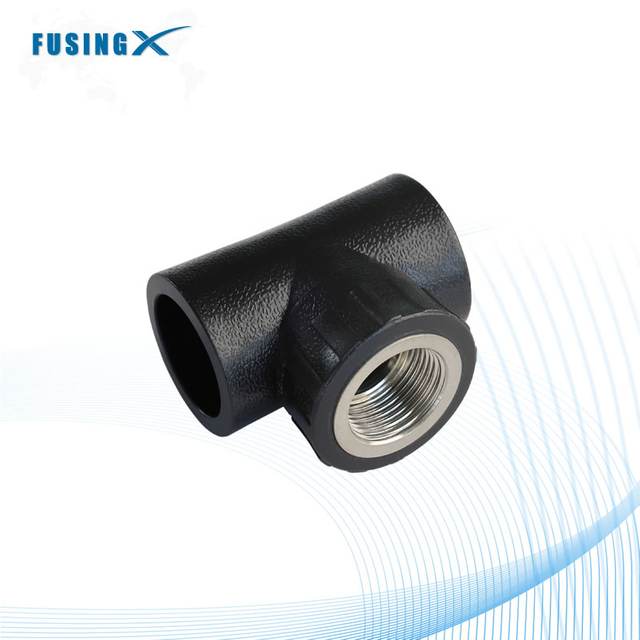
Introduction
Installing an HDPE pipeline may seem complex at first. However, the process becomes much easier when the correct tools and hdpe fusion fittings are used. In this article, you will learn simple steps for installing an HDPE pipeline and how proper fusion connections help create strong, leak-free systems.
Preparation Before Installing an HDPE Pipeline
Tools and Equipment Required
In most projects, technicians prepare a combination of cutting, alignment, and fusion tools. These tools support accurate pipe preparation and help installers handle hdpe fusion fittings correctly during welding operations.
Common tools used during HDPE pipeline installation include:
● Pipe cutters or plastic pipe saws
These tools create clean and straight cuts on HDPE pipes. A smooth cut surface improves fusion quality. It also reduces the risk of uneven joints during welding. Installers usually inspect the pipe edge after cutting to remove burrs or debris.
● Fusion welding machines
Fusion machines heat pipe ends before joining them to hdpe fusion fittings. The equipment controls heating temperature and pressure during the welding stage. Consistent heating ensures a reliable connection and strong structural bonding.
● Alignment clamps and holding devices
Pipes must remain stable while fusion occurs. Clamps hold the pipe and fittings in position during heating and joining. Proper alignment helps prevent weak joints and improves overall pipeline reliability.
● Measuring and inspection tools
Measuring tapes, levels, and gauges help workers check pipe length and joint alignment. Accurate measurements ensure the pipeline layout matches the design plan.The following table outlines typical installation tools and their roles during pipeline preparation.
Tool Type | Main Function | Importance During Installation |
Pipe Cutter | Creates straight pipe cuts | Ensures smooth fusion surfaces |
Fusion Welding Machine | Heats pipe ends for welding | Forms strong HDPE fusion joints |
Alignment Clamp | Holds pipe in position | Prevents misaligned joints |
Measuring Tools | Check pipe length and angles | Maintains installation accuracy |
Selecting Compatible HDPE Pipes and Fusion Fittings
Engineers usually consider several technical factors before selecting pipe components:
● Pipe diameter and flow capacity
Larger pipelines transport greater volumes of water or industrial fluids. Proper sizing ensures smooth flow and stable pressure across the system.
● Pressure rating (SDR classification)
HDPE pipes are produced in different strength grades. The SDR value determines how much internal pressure the pipe can safely handle.
● Material quality and PE grade
High-quality polyethylene materials improve durability and chemical resistance. Many infrastructure projects prefer PE100 materials because they provide stronger mechanical performance.When installing pipelines in large infrastructure systems, reliable fittings become especially important.
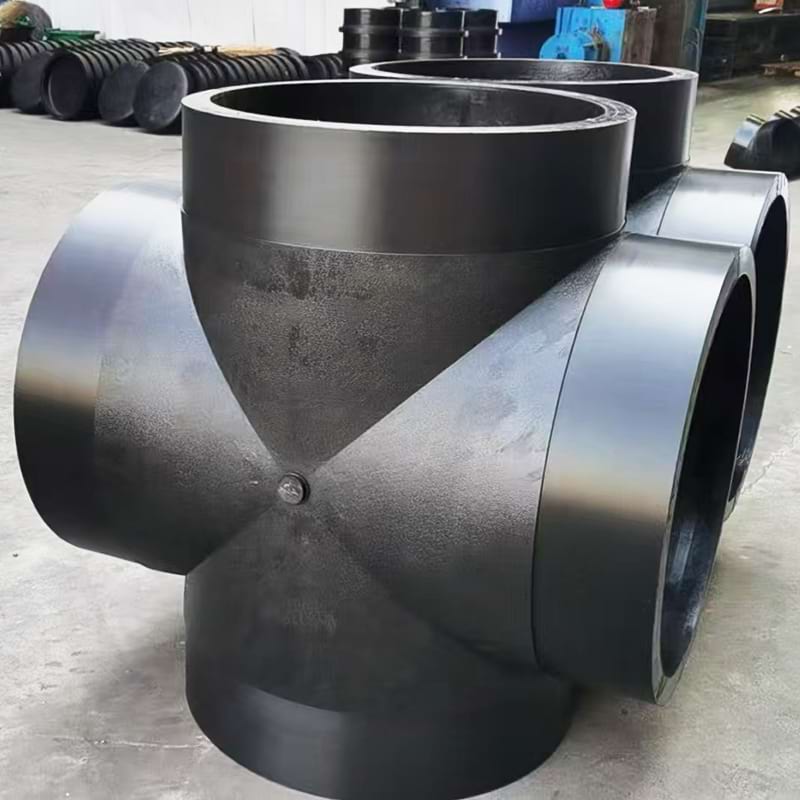
Step-by-Step Process to Install an HDPE Pipeline
Step 1 – Measure and Cut the HDPE Pipe
Installers normally follow a simple cutting workflow during this stage. The goal is to produce a smooth pipe end that can connect correctly to hdpe fusion fittings during welding.
● Mark the pipe length clearly
Workers measure the pipeline route using a tape or laser tool. They mark the cut location on the pipe surface. Clear markings help prevent cutting errors and improve efficiency on busy construction sites.
● Use a suitable pipe cutting tool
HDPE pipes are usually cut using a plastic pipe cutter or a fine-tooth saw. These tools create a straight cut across the pipe wall. A clean cut improves joint contact during fusion welding.
● Inspect the cut pipe edges carefully
After cutting, technicians examine the pipe ends. They check for cracks, rough edges, or deformation. If the edge looks uneven, they trim or sand it slightly to maintain a smooth surface.The following table shows common cutting tools used when preparing HDPE pipes.
Tool | Typical Use | Advantage |
Pipe Cutter | Straight pipe cutting | Produces clean edges quickly |
Plastic Saw | Manual cutting on site | Easy to operate in small areas |
Band Saw | Workshop pipe preparation | High precision cutting |
Step 2 – Clean and Prepare the Pipe Ends
After cutting the pipe sections, installers move to surface preparation. This step ensures the fusion area remains free from contamination. Dust, oil, or moisture can weaken the weld between the pipe and hdpe fusion fittings. Because of this, technicians always clean the pipe ends before welding.
● Remove dust and loose particles
Workers wipe the pipe edge using a clean cloth. If dirt remains on the surface, it may interfere during heating and reduce weld strength.
● Trim burrs from the pipe edge
A reamer or deburring tool smooths the inner and outer pipe edges. Removing burrs prevents irregular fusion lines during welding.
● Create a slight bevel when necessary
Some installers lightly bevel the pipe edge to improve surface contact. This technique helps the pipe connect smoothly to the hdpe fusion fittings during the joining process.
Step 3 – Align the Pipes and HDPE Fusion Fittings
Correct alignment plays a major role in successful HDPE pipeline installation. Pipes must meet evenly during welding so the melted polyethylene forms a uniform joint. Installers usually position both pipe ends and hdpe fusion fittings inside alignment clamps or fusion machine holders.
Important alignment checks often include the following:
● Check pipe center alignment
Both pipe ends should share the same centerline. When alignment is correct, the welding bead forms evenly around the joint.
● Secure the pipe inside the clamp
Clamps hold the pipe firmly while heating occurs. Movement during welding can weaken the fusion joint.
● Confirm fitting compatibility
Installers verify the size of the hdpe fusion fittings matches the pipe diameter. Proper compatibility ensures a smooth welding process.
Step 4 – Heat the Pipe Ends for Fusion
The heating stage must follow precise timing and temperature control. If the pipe heats too little, the materials will not bond properly. Excess heat may damage the pipe structure. Installers monitor the heating process carefully to ensure uniform melting.
During fusion heating, several factors affect the welding quality:
● Heating temperature
The heating plate must reach the correct fusion temperature for polyethylene. This allows the pipe ends to soften evenly.
● Heating duration
Technicians hold the pipe against the heating plate for a specific time. The duration depends on pipe diameter and wall thickness.
● Surface contact pressure
Light pressure ensures the pipe surface contacts the heating plate evenly. Uniform heating prepares the pipe for a strong weld.When the heating cycle finishes, the plate is removed quickly. The softened pipe ends are then ready for joining and compression in the next stage of the installation process.
Step 5 – Join the Pipes and Fittings
During this stage, technicians focus on several critical actions. They make sure the pressure stays stable and the pipes remain aligned. If the pressure changes suddenly, the joint may become uneven or weak. Many installers rely on modern fusion machines to control the joining force precisely.
Key practices during the joining stage include:
● Maintain steady pressure
Consistent pressure helps the molten polyethylene spread evenly across the joint surface. This creates a symmetrical weld bead around the pipe. When pressure fluctuates, the bead may become irregular.
● Keep pipes perfectly aligned
Pipes must stay centered during the joining process. Alignment clamps hold the pipes in place while pressure is applied. Even slight movement could weaken the fusion bond.
● Monitor weld bead formation
As the materials fuse, a small bead forms around the joint. Installers observe it carefully. A smooth and even bead usually signals a strong connection.Many contractors prefer high-quality components during this stage.
Step 6 – Allow Proper Cooling Time
Once the pipes and hdpe fusion fittings are joined, the welded joint must cool naturally. Cooling allows the molten polyethylene to solidify and regain structural strength. Workers avoid touching or moving the pipe during this period because any movement could damage the bond.
Cooling time varies depending on pipe diameter and wall thickness. Larger pipes need more time to stabilize. Installers usually follow recommended cooling guidelines to maintain joint quality.
Typical factors affecting cooling time include:
● Pipe diameter
Larger pipes hold more heat. They require longer cooling periods before the joint becomes stable.
● Ambient temperature
Warmer environments slow down cooling slightly. Cold environments may reduce cooling time but require careful monitoring.
● Material thickness
Thicker pipe walls retain heat longer. Installers must allow additional time for complete solidification.
The following table outlines general cooling considerations during HDPE fusion welding.
Factor | Effect on Cooling | Installer Action |
Pipe Diameter | Larger pipes cool slower | Allow longer cooling period |
Wall Thickness | Thick pipes retain heat | Extend stabilization time |
Ambient Temperature | Warm air slows cooling | Monitor joint carefully |
Step 7 – Inspect the Fusion Joint
After cooling, technicians inspect the fusion joint visually. Inspection helps confirm the welding process produced a strong connection between the pipe and the hdpe fusion fittings. A consistent weld bead around the pipe circumference usually indicates a successful fusion.
Installers normally examine several features of the joint:
● Uniform weld bead
A smooth bead should appear evenly around the connection. If the bead looks uneven, the welding pressure or alignment may have been incorrect.
● No visible gaps or cracks
The joint surface should appear continuous. Cracks or voids could lead to leaks under pressure.
● Proper bead size
A bead that is too small may indicate insufficient heating. An oversized bead could signal excessive pressure during joining.
Step 8 – Conduct Pressure Testing
Once several sections of pipe are installed, the pipeline must undergo pressure testing. This step verifies the integrity of joints created using hdpe fusion fittings. Testing ensures the system can operate safely under normal working pressure.
Pressure testing usually follows a controlled procedure. Workers fill the pipeline with water or air and gradually increase internal pressure. They monitor the system closely during this process.
Important testing checks include:
● Leak detection
Inspectors watch the joints for signs of moisture or pressure drop. Even small leaks must be repaired before the system becomes operational.
● Pressure stability
The pipeline should maintain stable pressure for a specified period. If pressure decreases, technicians recheck the joints and fittings.
● Joint integrity verification
Strong fusion joints should withstand the required pressure level without deformation or leakage.
Post-Installation Practices for HDPE Pipelines
Proper Backfilling and Pipeline Protection
After the HDPE pipeline and hdpe fusion fittings are installed and pressure tested, the trench must be refilled carefully. Backfilling protects the pipe from external loads and keeps the system stable underground. Workers usually add soft bedding materials first.
The first layer of backfill normally uses fine soil, sand, or screened gravel. These materials surround the pipe and cushion it from sharp objects. Installers avoid placing rocks or construction debris near the pipe surface. Hard objects can create stress points that damage the pipe over time.
Common backfilling practices include:
● Layered soil placement
Workers place soil in several thin layers instead of one large fill. Each layer is compacted gently. This process stabilizes the pipeline and prevents uneven ground settlement.
● Use of soft bedding material
Sand or fine soil spreads pressure evenly around the pipe. It also prevents scratches on the HDPE surface during trench filling.
● Protection of fusion joints
Extra care is taken around welded areas where pipes meet hdpe fusion fittings. These joints are strong but should remain undisturbed during early backfilling.
Bedding Material | Purpose | Benefit for HDPE Pipes |
Sand | Cushion around pipe | Prevents surface scratches |
Fine Soil | Even load distribution | Reduces pressure points |
Screened Gravel | Stable trench base | Improves drainage |
Routine Inspection and Maintenance
HDPE pipeline systems generally require less maintenance than metal pipelines. The material resists corrosion and chemical damage, which helps maintain long service life. Even so, periodic inspection remains important for ensuring the system continues to operate safely.
Typical inspection tasks may include:
● Checking joint conditions
Workers visually examine joints where pipes connect to hdpe fusion fittings. They look for deformation, stress marks, or signs of leakage.
● Monitoring pressure levels
Operators track system pressure during operation. Sudden pressure changes could indicate pipeline damage or blockages.
● Inspecting exposed pipe sections
In areas where pipes run above ground, technicians check for UV damage, mechanical impact, or surface wear.
Extending the Lifespan of HDPE Fusion Fittings
Several operational practices help extend the lifespan of fusion joints and fittings:
● Avoid excessive external pressure
Heavy equipment or structural loads above the pipeline should be carefully managed. Protective layers of soil or sand help distribute the load safely.
● Control temperature exposure
Although HDPE performs well across a wide temperature range, extreme conditions may affect pipe expansion. Proper pipeline design reduces thermal stress.
● Use high-quality fittings during installation
Reliable fittings help maintain strong fusion bonds over time. Manufacturers such as FusingX produce PE100 hdpe fusion fittings designed for long-term infrastructure applications.
Another factor influencing fitting durability is installation quality. When heating temperature, fusion pressure, and cooling time are controlled properly, the welded joint forms a solid structure. This structure behaves like a continuous pipe wall rather than a mechanical connection.
Conclusion
Installing an HDPE pipeline requires accurate cutting, clean surfaces, proper fusion, and careful testing. Using quality hdpe fusion fittings improves joint strength and reliability. FusingX provides durable fittings that help build stable pipelines for water, irrigation, and industrial systems.
FAQ
Q: What are hdpe fusion fittings used for in Hdpe Pipeline installation?
A: They join pipe sections through heat fusion, creating strong, leak-free Hdpe Pipeline connections.
Q: How do you install an Hdpe Pipeline step by step?
A: Measure, cut pipes, clean ends, align pipes and hdpe fusion fittings, heat, join, cool, then test.
Q: Why are hdpe fusion fittings important for Hdpe Pipeline systems?
A: They create seamless joints. Hdpe fusion fittings improve pressure resistance and reduce leaks.
Q: How long should an Hdpe Pipeline fusion joint cool?
A: Cooling depends on pipe size. Hdpe fusion fittings must cool fully before movement.
Q: What problems occur during Hdpe Pipeline fusion welding?
A: Dirty surfaces, poor alignment, or uneven heating may weaken hdpe fusion fittings joints.

 English
  العربية
  Français
  Русский
  Español
  Português
  Deutsch
  italiano
  日本語
日本語  한국어
한국어  Nederlands
  Tiếng Việt
  ไทย
ไทย  Polski
  Türkçe
  አማርኛ
አማርኛ  ພາສາລາວ
  ភាសាខ្មែរ
  Bahasa Melayu
  ဗမာစာ
ဗမာစာ  தமிழ்
தமிழ்  Filipino
  Bahasa Indonesia
  magyar
  Română
  Čeština
  Монгол
  қазақ
қазақ  Српски
  हिन्दी
  فارسی
فارسی  Kiswahili
  Slovenčina
  Slovenščina
  Norsk
Norsk  Svenska
  українська
  Ελληνικά
  Suomi
Suomi  Հայերեն
  עברית
עברית  Latine
  Dansk
Dansk  اردو
اردو  Shqip
Shqip  বাংলা
বাংলা  Hrvatski
  Afrikaans
  Gaeilge
  Eesti keel
  Māori
Māori