Introduction
How do cities install pipelines beneath roads, rivers, and crowded streets? HDPE pipe systems make it possible. Strong connections using hdpe fusion fittings help pipelines stay secure and leak-free. In this article, you will learn six common HDPE pipe installation methods and how they support reliable modern infrastructure.
Pipe Bursting – Trenchless Replacement for Aging Pipelines
What Is Pipe Bursting and How It Works
Pipe bursting is a trenchless pipeline replacement method used to upgrade aging underground infrastructure. Instead of digging a full trench, contractors pull a special bursting head through the existing pipeline. As the tool moves forward, it fractures the old pipe while creating space for a new HDPE pipe to enter the same route. This approach is widely used for sewer lines, water supply pipelines, and drainage systems in busy urban environments.
Typical workflow during a pipe bursting installation often includes several coordinated steps:
● Preparation of entry and exit pits
Contractors excavate two small pits where the equipment will operate. These pits allow the bursting tool to enter the pipeline and provide space for the new HDPE pipe to be inserted.
● Bursting tool movement through the old pipe
A hydraulic bursting head moves forward through the existing pipe. It cracks brittle materials such as clay, cast iron, or concrete while expanding the surrounding soil.
● Pulling the new HDPE pipe into position
As the bursting head advances, the new HDPE pipe follows behind it. The pipe replaces the old pipeline while maintaining the original route underground.Advantages of Pipe Bursting for Infrastructure Rehabilitation
Key advantages of pipe bursting installations include:
● Minimal impact on surface structures
Roads, parking lots, and sidewalks remain largely untouched. Only small access pits are required, which makes the method ideal for dense urban areas.
● Reduced construction time
Because large trenches are not necessary, installation work can proceed faster. Contractors can replace long sections of pipeline in a shorter time frame.
● Lower environmental disturbance
Soil displacement is minimal compared with traditional excavation. This helps preserve surrounding landscapes and reduces construction waste.
● Compatibility with flexible HDPE pipe systems
HDPE pipes tolerate bending and ground movement well. This flexibility makes them suitable for trenchless installations where soil conditions may vary.
How HDPE Fusion Fittings Support Pipe Bursting Installations
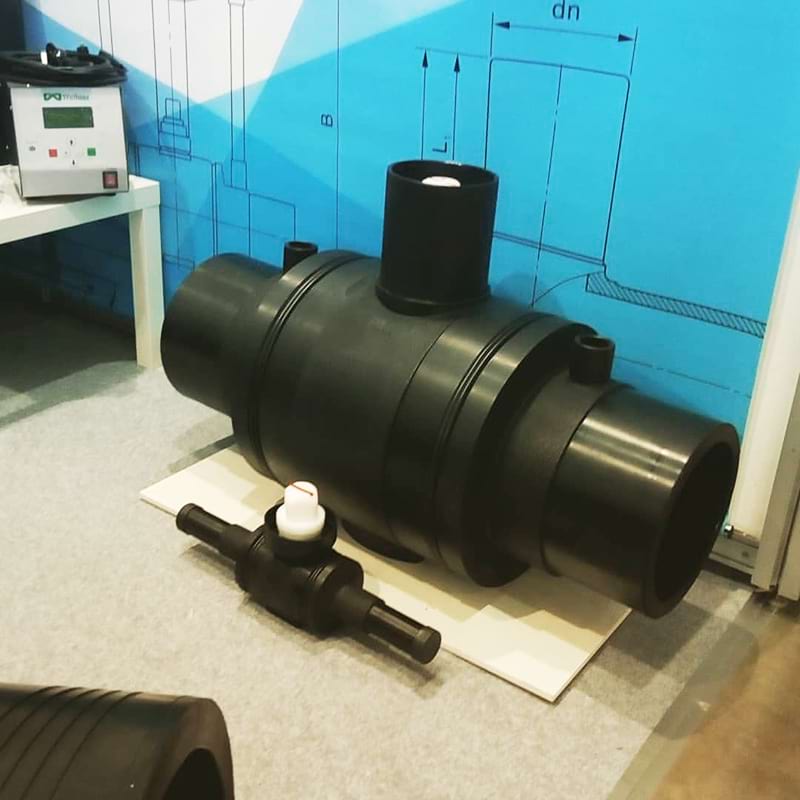
Contractors typically connect HDPE pipe sections using hdpe fusion fittings before installation begins. Fusion welding techniques melt the pipe ends and bonding surfaces, allowing them to fuse into one continuous structure once cooled. This process creates a connection that behaves similarly to the original pipe material.
Several fusion technologies are commonly used in pipeline installations:
Fusion Method | Typical Use | Key Benefit |
Butt Fusion | Large diameter HDPE pipelines | Creates a strong, seamless joint |
Electrofusion | Restricted or confined spaces | Provides controlled and precise fusion |
Prefabricated Pipe Strings | Long installation routes | Reduces connection points underground |
Horizontal Directional Drilling (HDD) – Installing Pipelines Beneath Obstacles
Overview of the Horizontal Directional Drilling Process
Horizontal Directional Drilling (HDD) is a widely used trenchless method for installing pipelines beneath obstacles. Contractors often choose it when traditional excavation is impossible or too disruptive. Instead of cutting open trenches across roads or rivers, crews drill a guided underground pathway. The pipeline then follows that path safely beneath the obstacle.
The HDD process usually includes three major stages. Each stage builds on the previous one to create a stable underground pathway for the HDPE pipeline.
First, engineers drill a pilot hole along a carefully planned route. They use electronic tracking systems to guide the drill head and keep it on the correct path. This step ensures the drilling equipment avoids underground utilities and unstable soil zones.
Next comes reaming, where the borehole is gradually enlarged. Contractors run reaming tools through the pilot hole several times. Each pass increases the diameter until the hole is large enough for the HDPE pipe string.
Finally, the pipe pullback stage begins. Workers attach the prepared HDPE pipeline to the drilling rig. The rig then pulls the pipe through the borehole from the exit side back to the entry point.
Why HDPE Pipes and HDPE Fusion Fittings Are Ideal for HDD Projects
HDPE pipe performs extremely well during HDD installations. The material combines flexibility, durability, and corrosion resistance. These properties help the pipeline withstand underground stresses during drilling and long-term operation.
Directional drilling places significant tension on the pipe. During the pullback stage, the pipeline must travel through soil while resisting friction and bending. HDPE material handles these stresses effectively because it can flex without cracking. It also resists chemical corrosion in underground environments.
HDPE pipelines also benefit from long continuous pipe strings. Instead of installing short pipe sections, contractors often fuse multiple pipes into extended lengths before installation. This approach reduces weak points along the pipeline and speeds up construction.
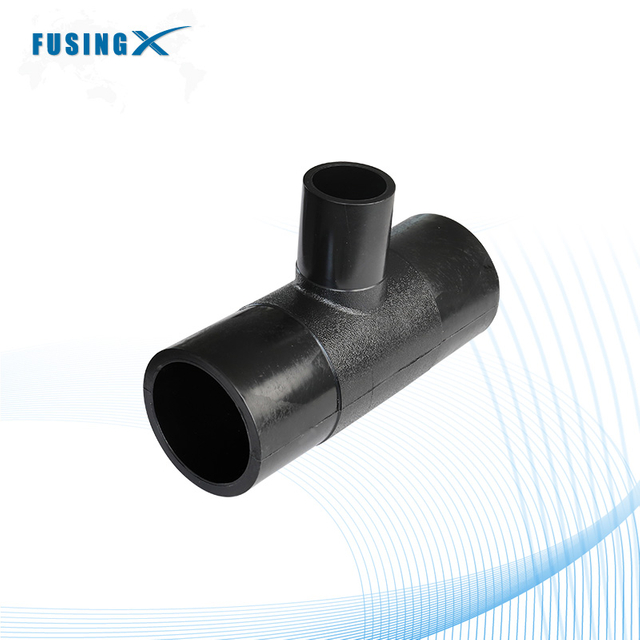
HDPE fusion fittings play a key role during this stage. They allow installers to connect pipe segments above ground using fusion welding methods. Once fused, the connection becomes extremely strong and behaves like a single piece of pipe.
Common advantages of using HDPE fusion fittings in HDD projects include:
● Seamless pipeline structure
Fusion joints eliminate mechanical connection points. This reduces the risk of leaks during operation.
● Improved structural strength
Fused joints tolerate the pulling forces generated during directional drilling.
● Faster pipeline installation
Long pipe strings reduce the number of underground connections required during installation.
● Better system reliability
Continuous pipelines improve hydraulic performance and reduce maintenance needs.
Fusion Method | Typical HDD Use | Main Benefit |
Butt Fusion | Large diameter pipeline strings | Strong seamless pipe joints |
Electrofusion | Complex installation sections | Precise and reliable pipe connections |
Micro-Trenching – Fast Installation for Urban Utility Networks
What Is Micro-Trenching and How It Is Used
Micro-trenching is a modern installation technique designed for dense urban areas. Instead of excavating large trenches, crews cut a very narrow slot along a road edge, sidewalk, or pavement surface. The slot usually measures only a few centimeters wide. It allows technicians to install small HDPE conduits quickly while avoiding major excavation.
Typical micro-trenching workflow includes several coordinated steps:
● Surface slot cutting
A precision cutting machine creates a narrow trench along the pavement. The trench follows a planned route near existing infrastructure corridors.
● Placement of HDPE microduct or conduit
Small HDPE pipes or protective conduits are carefully inserted into the trench. These pipes often protect fiber optic cables or power lines.
● Sealing and surface restoration
Contractors refill the slot using specialized materials. The road surface becomes usable again shortly after installation.
Advantages of Micro-Trenching for City Infrastructure
Several practical benefits explain why urban planners often choose this method:
● Minimal traffic disruption
The trench is narrow and shallow. Traffic lanes can reopen quickly after installation. Work zones remain small and manageable.
● Faster project timelines
Crews cut narrow slots rapidly along long streets. Installation moves quickly because soil excavation is minimal.
● Lower excavation and restoration costs
Because the trench is small, contractors remove less material. Pavement repair work also becomes simpler and cheaper.
● Improved safety in busy urban areas
Smaller construction zones reduce risk for pedestrians and vehicles.In many cities, micro-trenching projects install communication networks over several kilometers.
Applications of HDPE Pipe Systems in Micro-Trenching
HDPE pipes work especially well in micro-trenching installations. Their flexibility and durability allow them to fit inside narrow trenches without cracking or deformation. They also resist moisture and corrosion, which makes them suitable for long-term underground use.
Urban infrastructure projects often rely on HDPE conduits for several applications:
● Telecommunications networks
Fiber optic cables require protective conduits. HDPE pipes shield these cables from soil pressure and environmental damage.
● Electrical infrastructure systems
Underground power cables run through protective HDPE conduits installed along city streets.
● Smart city technology networks
Sensors, monitoring cables, and communication systems depend on underground conduits.
Plow Installation – Efficient Method for Long-Distance Pipeline Projects
How the Plow Installation Method Works
Plow installation is a practical method for laying pipelines across long stretches of land. Instead of digging a traditional trench, contractors use a heavy-duty plow blade attached to specialized construction equipment. As the machine moves forward, the blade cuts a narrow furrow through the soil. At the same time, the HDPE pipe feeds through a chute located behind the plow. The pipe drops directly into the opening created by the blade.
Typical workflow during plow pipeline installation often includes several coordinated actions:
● Route preparation and marking
Engineers identify the pipeline path across fields or open land. Survey markers guide equipment operators during installation. They also help crews avoid underground utilities or drainage lines.
● Pipe string preparation above ground
HDPE pipes are commonly fused into long sections before installation begins. Contractors connect pipe segments using hdpe fusion fittings, creating a continuous pipe string ready for deployment.
● Simultaneous trench creation and pipe placement
As the plow blade cuts the ground, the pipe moves through the chute and settles into the furrow. The soil then closes naturally around the pipeline.
Installation Component | Function in Plow Method | Typical Equipment |
Plow blade | Creates narrow furrow in soil | Tractor-mounted plow |
Pipe chute | Guides HDPE pipe into trench | Installation frame |
Pipe string | Continuous pipeline section | Fused HDPE pipe segments |
Benefits of the Plow Method for Pipeline Construction
Several practical benefits explain why contractors often use this technique:
● High installation speed across long routes
The equipment moves continuously across the landscape. Large pipeline sections can be installed in a single pass, reducing construction time significantly.
● Minimal soil disturbance
Instead of removing large volumes of soil, the plow simply separates it temporarily. Once the pipe settles into place, the soil returns around the pipeline.
● Reduced labor and equipment needs
Traditional trenching requires excavators, loaders, and backfilling operations. Plow installation combines these steps into one streamlined process.
● Compatibility with flexible HDPE pipe systems
HDPE pipes tolerate bending and minor ground movement well. This flexibility allows them to adapt to the curved path created by plow equipment.
Direct Burial – Traditional Trench Installation for HDPE Pipes
Step-by-Step Process of Direct Burial Installation
Direct burial remains one of the most widely used installation methods for HDPE pipeline systems. Contractors excavate a trench along the planned route, then place the HDPE pipe carefully inside it. After positioning the pipe, workers add bedding materials and compact soil layers around the pipeline. This process protects the pipe from external loads and ground movement.
The installation sequence normally follows a structured workflow. Each stage ensures the pipeline is positioned safely and aligned correctly before the trench is closed.
● Trench excavation
Construction teams dig a trench according to engineering specifications. The width must provide enough space for pipe placement and worker movement. The trench bottom should remain stable and level before installation begins.
● Pipe positioning inside the trench
Smaller diameter HDPE pipes may be lowered manually. Larger pipelines require lifting equipment such as cranes or excavators. Workers carefully guide the pipe into position to avoid surface scratches or deformation.
● Bedding and backfilling operations
After placement, installers spread bedding material beneath and around the pipe. Sand or fine gravel commonly serves as bedding. Once the pipe is stabilized, soil layers are compacted gradually until the trench is fully restored.
Installation Stage | Purpose | Key Materials |
Trench excavation | Prepare installation path | Excavators and trench tools |
Pipe placement | Position HDPE pipe safely | Lifting equipment |
Bedding and backfill | Stabilize and protect pipe | Sand, gravel, compacted soil |
Engineering Considerations for Direct Burial Projects
Successful direct burial installations depend heavily on proper engineering planning. Soil conditions, trench geometry, and environmental factors all influence pipeline performance. Engineers must evaluate these conditions before construction begins.
Several technical considerations guide the trench design process:
● Trench width and depth
The trench must be wide enough to allow safe pipe installation and side compaction. Depth also varies depending on surface loads, frost protection requirements, and pipe diameter.
● Soil stability and groundwater control
Loose soil or high groundwater levels may destabilize the trench walls. Engineers sometimes install temporary supports or drainage systems to maintain safe working conditions.
● Foundation preparation and bedding materials
The trench base should provide uniform support. Uneven ground may create stress points along the pipe wall.
Role of HDPE Fusion Fittings in Trench Installations
Pipe connections play a major role in trench-based installations. Long HDPE pipelines often consist of multiple pipe segments joined together before or during placement in the trench. Strong and leak-free joints are essential for system reliability.
Common fusion methods used during trench installations include:
● Butt fusion welding
Pipe ends are heated using a fusion machine and then pressed together. The melted polyethylene forms a permanent bond after cooling.
● Electrofusion fittings
Electrical heating coils inside the fitting melt the pipe surfaces. This process creates a controlled fusion connection in confined workspaces.
● Prefabricated pipe sections
Contractors sometimes assemble long pipeline sections above ground. They then lower the fused pipe string into the trench to reduce connection work underground.
Conclusion
HDPE pipe installation uses six methods. Each suits different terrain and project needs. Reliable joints depend on hdpe fusion fittings for strength and leak control. FusingX provides durable PE100 fittings and supports efficient pipeline construction for water, gas, and infrastructure systems.
FAQ
Q: What are the main HDPE Pipe installation methods?
A: Common HDPE Pipe methods include HDD, pipe bursting, plow installation, direct burial, slip lining, and micro-trenching.
Q: Why are hdpe fusion fittings important in HDPE Pipe installation?
A: hdpe fusion fittings create strong, leak-free joints, helping HDPE Pipe systems handle pressure and soil movement.
Q: How does HDD installation work for HDPE Pipe systems?
A: HDD drills a guided underground path, then pulls HDPE Pipe through it using continuous pipe strings and hdpe fusion fittings.
Q: Are hdpe fusion fittings used in trench installations?
A: Yes. During trench installation, hdpe fusion fittings join HDPE Pipe sections using butt fusion or electrofusion welding.
Q: What affects the cost of HDPE Pipe installation?
A: Project cost depends on installation method, pipe diameter, soil conditions, and the number of hdpe fusion fittings used.

 English
  العربية
  Français
  Русский
  Español
  Português
  Deutsch
  italiano
  日本語
日本語  한국어
한국어  Nederlands
  Tiếng Việt
  ไทย
ไทย  Polski
  Türkçe
  አማርኛ
አማርኛ  ພາສາລາວ
  ភាសាខ្មែរ
  Bahasa Melayu
  ဗမာစာ
ဗမာစာ  தமிழ்
தமிழ்  Filipino
  Bahasa Indonesia
  magyar
  Română
  Čeština
  Монгол
  қазақ
қазақ  Српски
  हिन्दी
  فارسی
فارسی  Kiswahili
  Slovenčina
  Slovenščina
  Norsk
Norsk  Svenska
  українська
  Ελληνικά
  Suomi
Suomi  Հայերեն
  עברית
עברית  Latine
  Dansk
Dansk  اردو
اردو  Shqip
Shqip  বাংলা
বাংলা  Hrvatski
  Afrikaans
  Gaeilge
  Eesti keel
  Māori
Māori 


