Introduction
Why do many modern pipelines last decades? Proper joining methods make the difference. HDPE pipes and hdpe fusion fittings create strong, leak-free systems.
In this article, we explain how HDPE pipes are joined safely. You will learn key methods, tools, and installation steps used in modern pipeline projects.
Understanding HDPE Pipes and HDPE Fusion Fittings
What Are HDPE Pipes and Why They Are Popular
High-density polyethylene (HDPE) pipes are widely used in modern pipeline systems. Engineers prefer them because the material is flexible, lightweight, and resistant to corrosion. Unlike traditional metal pipes, HDPE does not rust or degrade easily in harsh environments. This makes it suitable for underground installation and long-term infrastructure projects. In many installations, hdpe fusion fittings are used together with HDPE pipes to create seamless connections that improve the stability of the entire pipeline network.
What Are HDPE Fusion Fittings
HDPE pipes rarely operate as straight lines only. Real pipeline systems require bends, branches, and diameter changes. HDPE fusion fittings are specialized components that make those adjustments possible while maintaining the integrity of the pipe system. These fittings are manufactured from the same polyethylene material as the pipes, allowing them to be joined through heat fusion processes.
When pipes and fittings are fused together, the material melts and bonds into one continuous structure. After cooling, the joint becomes extremely strong and almost identical to the original pipe wall. Because of this process, fusion connections often become stronger than mechanical joints or threaded connections.
In practical installation work, hdpe fusion fittings serve several structural functions in a pipeline network.
● Direction control
Pipelines often need to change direction to follow terrain or building layouts. Fusion fittings allow smooth directional transitions without weakening the pipe system.
● Branch creation
Water supply systems or industrial pipelines may require multiple distribution branches. Tee fittings allow engineers to divide the flow into several paths.
● Diameter adjustments
In some sections of a pipeline, pipe sizes change to regulate flow or pressure. Reducer fittings allow different pipe diameters to connect safely.These functions help pipeline designers build complex pipe layouts while maintaining high structural reliability. When high-quality fittings are used, the risk of leakage decreases significantly.
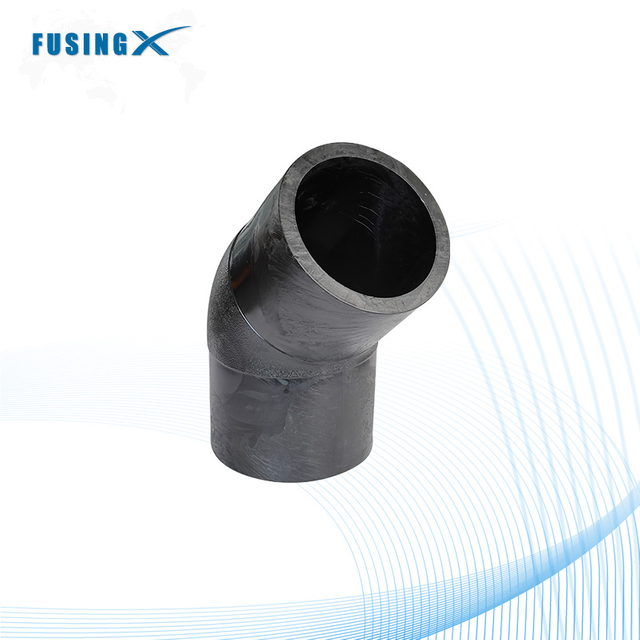
Types of HDPE Fusion Fittings Used in Pipeline Systems
A complete HDPE pipeline system usually includes several types of hdpe fusion fittings. Each type performs a specific function in directing or distributing fluid flow. Engineers choose them depending on pipe configuration, pressure requirements, and installation conditions.
Some fittings control pipe direction or pipeline routing. These are used when pipelines must follow terrain contours or bypass obstacles.
● HDPE elbows
Elbow fittings allow the pipe to change direction smoothly. Common angles include 45° and 90°. These fittings help pipelines navigate around structures or natural obstacles while maintaining flow efficiency.Other fittings are designed for branch connections. They divide fluid flow into different directions without compromising pipe strength.
● HDPE tees and crosses
Tee fittings create a single branch line from the main pipeline. Cross fittings allow multiple branches, which are common in municipal distribution networks.
Main Methods for Joining HDPE Pipes with HDPE Fusion Fittings
Butt Fusion — The Most Common HDPE Pipe Joining Method
Butt fusion remains the most widely used technique for joining HDPE pipes. It connects two pipe ends by heating them until the polyethylene becomes soft and slightly molten. Then technicians press the pipe ends together under controlled pressure. As the material cools, the joint solidifies into one continuous structure. In many pipeline projects, high-quality hdpe fusion fittings are integrated into this process to ensure alignment and long-term connection reliability.
The butt fusion process typically follows several important stages. Each step helps create a strong and consistent fusion joint.
● Pipe preparation and alignment
Workers cut the pipe ends square and remove contaminants from the surface. Dust, grease, and moisture must be cleaned away because they can weaken the weld area. A facing tool is often used to trim the pipe edges until both surfaces are perfectly flat.
● Heating stage
A heating plate raises the temperature of the pipe ends. The polyethylene begins to soften and form a thin molten layer. During this stage, technicians monitor temperature carefully to avoid overheating the material.
● Fusion and cooling
The heating plate is removed quickly, and the pipes are pressed together using a hydraulic fusion machine. Pressure is applied evenly around the pipe circumference. After several minutes of cooling, the connection becomes extremely strong.
Butt fusion installations rely on specialized equipment. Each tool helps maintain precision during heating and joining.
Butt Fusion Equipment | Role in Pipe Installation |
Facing tool | Smooths and aligns pipe ends before heating |
Heating plate | Raises pipe temperature to the fusion range |
Hydraulic fusion machine | Applies pressure to join molten pipe ends |
Alignment clamps | Hold pipes steady during the welding process |
Electrofusion Using Specialized HDPE Fusion Fittings
Electrofusion is another widely used technique for connecting HDPE pipes. Instead of heating pipe ends directly, this method uses hdpe fusion fittings that contain built-in heating coils. When electric current flows through the coil, heat spreads evenly across the fitting surface. The pipe and fitting surfaces melt simultaneously and bond together as they cool.
This method is especially useful in installation environments where traditional fusion machines are difficult to operate. Because the heating element is integrated into the fitting, technicians can perform welding inside narrow trenches or maintenance areas.
Several advantages make electrofusion a reliable solution for many pipeline projects.
● Precise heating control
The electrofusion control unit automatically regulates voltage and heating time. This prevents overheating and helps maintain consistent weld quality.
● Suitable for repair and retrofit work
In situations where an existing pipeline must be repaired, electrofusion fittings allow quick connections without moving large machinery into the work area.
● Reduced alignment complexity
The fitting design naturally guides the pipe into position. This reduces the risk of misalignment during installation.Electrofusion technology works well for medium-size pipe systems, distribution networks, and maintenance tasks.
Mechanical Fittings for Non-Fusion Pipe Connections
Although fusion welding is the most reliable connection method for HDPE pipelines, mechanical fittings remain useful in certain conditions. These fittings connect pipes using compression rings, flange plates, or threaded components rather than heat. Because no melting process is required, installation can be faster and simpler.
Mechanical fittings are often used in situations where fusion equipment is unavailable or when pipelines need to be assembled quickly. They are also common when HDPE pipes must connect to metal pipelines or valves.
Several mechanical connection types appear frequently in HDPE piping systems.
● Compression fittings
These fittings tighten around the pipe using compression rings and threaded nuts. When tightened properly, the ring presses firmly against the pipe surface. This creates a watertight seal suitable for low-pressure systems or irrigation networks.
● Flange adapters
Flange connections allow HDPE pipes to connect to valves, pumps, or steel pipelines. Bolts secure the flange plates together, creating a stable connection point in pump stations or industrial facilities.
● Quick installation couplings
Some couplings are designed for temporary installations. They allow pipes to be assembled and removed easily during maintenance operations.Mechanical fittings provide flexibility during installation.
However, they typically do not achieve the same joint strength as fusion welding methods. Because of this difference, engineers often combine mechanical fittings with fusion connections. Long pipeline sections may use butt fusion or electrofusion with hdpe fusion fittings, while mechanical components connect equipment or specialized pipeline sections.
Step-by-Step HDPE Pipe Installation Process
Site Preparation and Trench Construction
Before installing HDPE pipelines, the work area must be prepared carefully. A stable trench helps pipes maintain alignment and prevents uneven stress after installation. Contractors normally evaluate soil conditions, drainage, and load requirements before excavation begins.
Several important actions take place during site preparation.
● Clearing the installation area
Workers remove rocks, debris, and vegetation. These objects could damage the pipe surface or disrupt alignment during installation. A clean work zone also improves safety for operators and equipment.
● Excavating the trench to the correct depth
The trench must match the pipe diameter and project requirements. If it is too shallow, external loads may damage the pipeline. If too deep, installation costs increase unnecessarily.
● Preparing a stable bedding layer
Sand or fine gravel often forms the base layer. This bedding spreads the pipe weight evenly across the trench floor. It also prevents sharp stones from pressing against the pipe wall.
Pipe Handling, Storage, and Preparation
HDPE pipes are durable, yet careful handling remains essential during transport and storage. Pipes stored incorrectly may bend or collect contaminants on the surface. If the pipe ends are damaged or dirty, fusion welding quality decreases. This is why installation crews pay close attention to handling procedures before joining pipes.
When pipes arrive at the job site, they should be placed on clean and level surfaces. Direct sunlight exposure should be minimized when possible. Although HDPE tolerates UV radiation for short periods, long-term exposure may affect surface properties.
Important handling practices include:
● Safe transportation and unloading
Pipes should never be dragged across rough ground. Instead, workers lift them using straps or rollers. This prevents scratches or deformation along the pipe wall.
● Proper stacking and storage conditions
Pipes should be stacked in horizontal layers on flat supports. Uneven stacking may cause bending or oval deformation, especially in large-diameter pipes.
● Cleaning pipe ends before joining
Dust, moisture, or grease must be removed from the pipe surface. Even small particles can weaken the fusion zone during welding.
Pipe Cutting, Alignment, and Fusion
Precise cutting and alignment are critical steps in HDPE pipeline installation. If The fusion process typically includes the following steps.
● Accurate pipe cutting
A pipe cutter or rotary saw trims the pipe to the required length. Operators verify the cut angle to ensure it remains perfectly square.
● Pipe alignment and clamping
Pipes and hdpe fusion fittings are placed in a fusion machine. Clamps hold them steady so the pipe ends remain aligned during heating.
● Heating and fusion welding
A heated plate warms the pipe ends until the polyethylene surface softens. The plate is then removed, and the pipe ends are pressed together under controlled pressure.Two common fusion methods are used in modern installations.
Inspection, Testing, and Backfilling
After fusion welding, the pipeline must be inspected carefully before covering the trench. Proper inspection ensures each joint performs correctly under pressure. Technicians begin by visually checking the fusion bead around the joint. The bead should appear smooth and uniform around the entire circumference.
Testing procedures then confirm the strength of the pipeline system.
● Visual inspection of fusion joints
Operators examine the weld bead for irregular shapes or gaps. Any abnormal appearance may indicate incorrect heating or pressure during fusion.
● Hydrostatic pressure testing
Water is pumped through the pipeline at controlled pressure. If leaks exist, pressure levels will drop or moisture may appear around joints.
● Monitoring joint cooling time
Newly fused joints must cool fully before external stress is applied. Moving pipes too early can weaken the connection.Once testing confirms system integrity, the trench is gradually backfilled. Workers place soil in layers around the pipe. Each layer is compacted gently to maintain pipe alignment and avoid excessive pressure.
Applications and Long-Term Benefits of HDPE Pipe Systems
Municipal Water and Gas Distribution
Municipal infrastructure relies heavily on durable pipeline systems. HDPE pipes have become a preferred choice for water and gas networks. Cities install them underground for decades of service. Engineers trust them because the material resists corrosion and soil chemicals. When combined with hdpe fusion fittings, these pipelines form seamless joints. It improves safety and reduces leakage risk in critical distribution systems.
In drinking water systems, HDPE pipelines provide a clean and reliable transport channel. The material does not release harmful substances into water. It also withstands pressure fluctuations common in urban supply networks. Municipal engineers often choose fusion welding because the pipe and fitting melt together and become one structure.
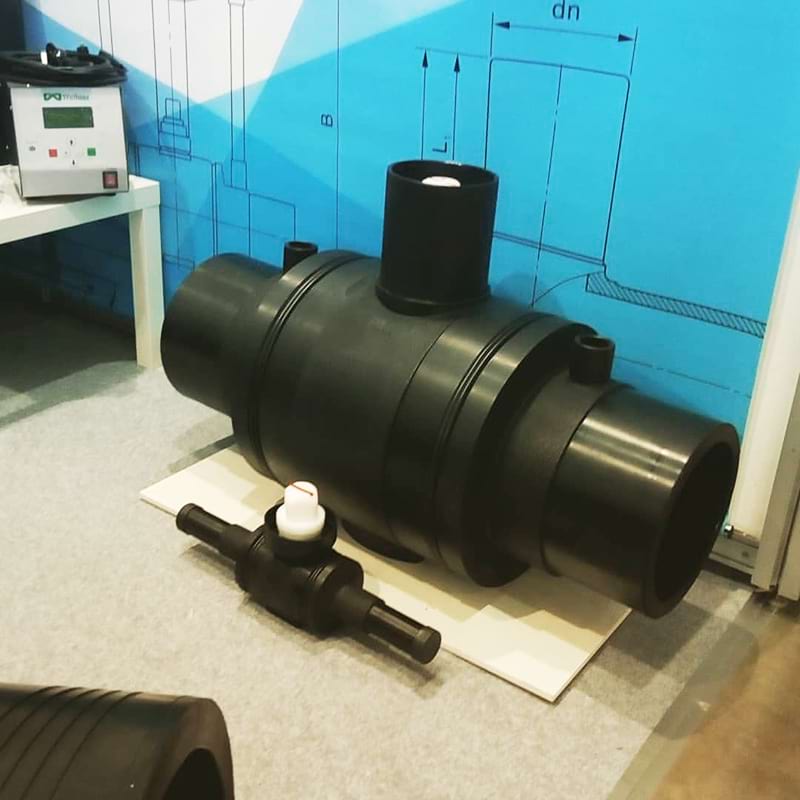
Key advantages for municipal pipelines include:
● Leak-free fusion connections
Fusion welding creates a continuous polyethylene structure. It removes many weak points common in mechanical joints. When hdpe fusion fittings are used correctly, the connection becomes extremely secure.
● High resistance to corrosion and chemicals
Traditional metal pipes may corrode underground. HDPE avoids this problem. It performs well even in aggressive soil environments or wastewater exposure.
● Long operational life
HDPE pipe systems often last more than 50 years under normal conditions. Maintenance costs remain lower than older pipe materials.Municipal projects often evaluate pipe performance using several technical factors.
The table below highlights how HDPE compares to traditional piping materials in public infrastructure.
Performance Factor | HDPE Pipe Systems | Traditional Metal Pipes |
Corrosion resistance | Excellent | Moderate to low |
Leakage risk | Very low due to fusion joints | Higher due to mechanical joints |
Installation flexibility | High flexibility for underground routing | Limited flexibility |
Service life | 50+ years typical | Often shorter in corrosive soil |
Agricultural Irrigation and Drainage Systems
Agriculture also benefits greatly from HDPE piping technology. Farms require reliable irrigation systems that can operate across large areas. HDPE pipes meet these needs because they are lightweight, flexible, and easy to install. Farmers often combine them with hdpe fusion fittings to build efficient irrigation networks that transport water from reservoirs to crops.
One major advantage is installation efficiency. Unlike heavy metal pipes, HDPE pipes are easier to transport and handle. Workers can install long pipe sections quickly. Fusion welding reduces the number of joints, which lowers leakage risk and maintenance work.
Farm irrigation systems often rely on the following characteristics:
● Flexible pipe routing across farmland
HDPE pipes can bend slightly without cracking. It helps them follow uneven terrain or underground obstacles. Farmers can install pipelines along fields without extensive excavation.
● Lower installation cost
The lightweight structure reduces transportation expenses. Fusion joining also reduces the number of connectors required during installation.
● Durability in outdoor environments
HDPE resists sunlight, moisture, and chemical fertilizers. This durability supports irrigation systems operating in changing weather conditions.Agricultural irrigation networks require several types of fittings to distribute water efficiently. These fittings allow engineers and farmers to design complex watering systems.
Conclusion
Proper HDPE pipe joining ensures durable pipelines. Methods include butt fusion and electrofusion. Quality hdpe fusion fittings improve safety and sealing. FusingX offers reliable fittings, strong PE100 materials, and professional support for long-lasting pipeline systems.
FAQ
Q: What are hdpe fusion fittings used for?
A: They connect pipes through heat fusion. hdpe fusion fittings create strong, leak-free pipeline joints.
Q: How do hdpe fusion fittings improve pipe installation?
A: They allow stable alignment during welding. hdpe fusion fittings help produce durable connections.
Q: Why choose hdpe fusion fittings instead of mechanical joints?
A: They form seamless joints after fusion. hdpe fusion fittings reduce leakage risk.
Q: When should electrofusion hdpe fusion fittings be used?
A: They work well in tight spaces. hdpe fusion fittings simplify repair installations.
Q: Are hdpe fusion fittings suitable for irrigation systems?
A: Yes. hdpe fusion fittings support flexible pipelines used in irrigation networks.

 English
  العربية
  Français
  Русский
  Español
  Português
  Deutsch
  italiano
  日本語
日本語  한국어
한국어  Nederlands
  Tiếng Việt
  ไทย
ไทย  Polski
  Türkçe
  አማርኛ
አማርኛ  ພາສາລາວ
  ភាសាខ្មែរ
  Bahasa Melayu
  ဗမာစာ
ဗမာစာ  தமிழ்
தமிழ்  Filipino
  Bahasa Indonesia
  magyar
  Română
  Čeština
  Монгол
  қазақ
қазақ  Српски
  हिन्दी
  فارسی
فارسی  Kiswahili
  Slovenčina
  Slovenščina
  Norsk
Norsk  Svenska
  українська
  Ελληνικά
  Suomi
Suomi  Հայերեն
  עברית
עברית  Latine
  Dansk
Dansk  اردو
اردو  Shqip
Shqip  বাংলা
বাংলা  Hrvatski
  Afrikaans
  Gaeilge
  Eesti keel
  Māori
Māori 


