Introduction
Confused about HDPE vs PVC Pipes? They differ in flexibility, durability, and joint reliability. In this article, you’ll discover which pipe suits water distribution projects best.
Understanding HDPE and PVC Pipe Materials
What is HDPE Pipe?
High-Density Polyethylene (HDPE) is a thermoplastic known for combining strength and flexibility, making it ideal for modern water distribution. It bends around obstacles, reducing the need for multiple fittings, and its smooth interior ensures efficient flow. They resist cracking, corrosion, and chemical attack, so pipelines last longer even under challenging conditions. HDPE’s heat-fusion joints create a seamless connection, which minimizes leaks and maintenance needs. They’re commonly used in municipal water systems, wastewater networks, irrigation projects, and industrial fluid transport, proving versatile across sectors.
Key Advantages of HDPE Pipes:
● Flexibility: Can handle soil movement, tight bends, and seismic shifts.
● Durability: Resistant to chemicals, UV exposure, and pressure surges.
● Low Maintenance: Heat-fused joints reduce risk of leaks.
● Long Lifespan: Often exceeds 50 years in typical water distribution projects.
Applications Table:
Application | Why HDPE is Preferred |
Municipal water supply | Leak-free fusion, withstands dynamic pressures |
Wastewater transport | Corrosion resistance, chemical durability |
Agricultural irrigation | Flexibility for directional changes and tight curves |
Industrial pipelines | High pressure tolerance, long-term reliability |
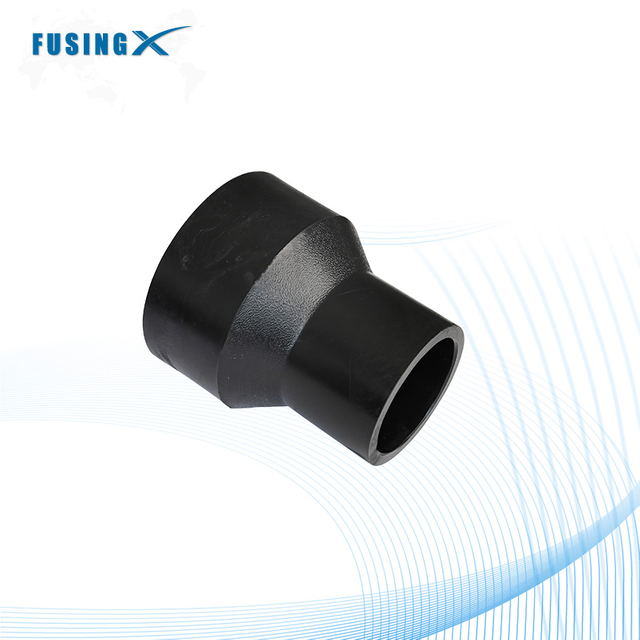
HDPE’s performance is enhanced when paired with FusingX HDPE fusion fittings, which offer butt fusion, electrofusion, and threaded options, creating reliable pipeline connections even in complex installations.
What is PVC Pipe?
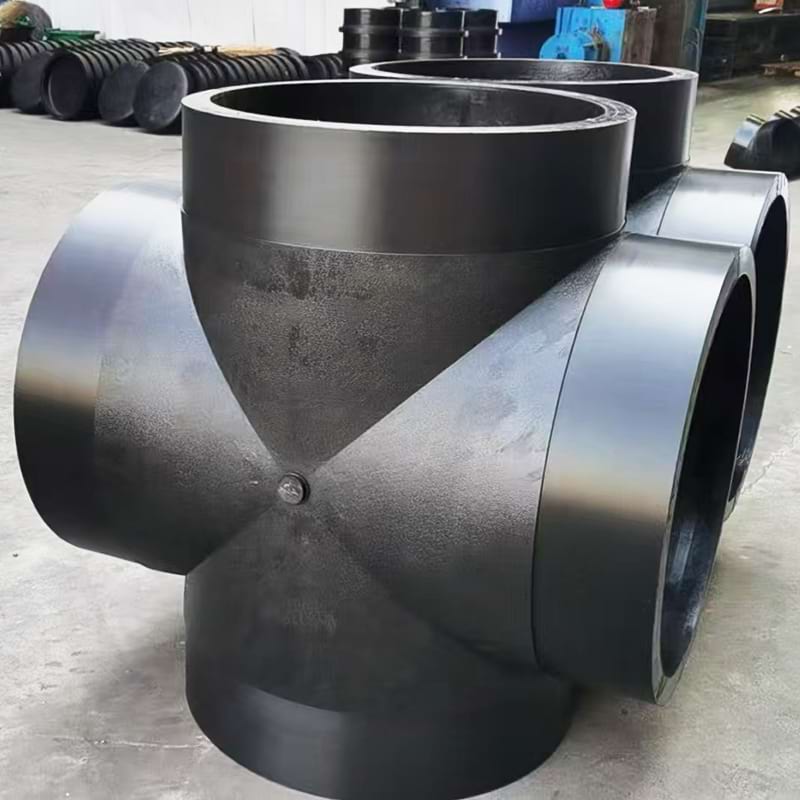
Polyvinyl Chloride (PVC) is a rigid plastic widely used in water distribution and low-pressure systems. It’s stronger under static loads and generally lighter than HDPE, making handling and installation straightforward. However, it is more brittle, so it can crack under fluctuating pressures or harsh environmental conditions. PVC pipes connect using bell-and-spigot joints or solvent cement, which can be susceptible to misalignment or leakage if not carefully installed. They are often chosen for residential plumbing, drainage systems, and electrical conduit protection due to cost-effectiveness.
PVC Advantages in Detail:
● Cost-Effective: Lower initial investment for small-scale projects.
● Smooth Interior Surface: Reduces friction and scaling, improving water flow.
● Lightweight and Easy to Handle: Simplifies transportation and installation.
● UV Resistance: Suitable for outdoor drainage or temporary above-ground setups.
Performance Comparison: HDPE vs PVC Pipes
Pressure Handling and Water Hammer Resistance
HDPE pipes are built to withstand dynamic water pressures that often challenge PVC systems. They absorb sudden surges, vibrations, and water hammer without cracking, making them ideal for high-flow municipal water mains and wastewater pipelines. PVC can handle static pressure, but its brittle structure risks fatigue over time. FusingX's HDPE fusion fittings further improve durability and reliability.
Key Highlights:
● HDPE tolerates flow rates up to 14 ft/s; PVC only 5.5 ft/s
● Resists cyclic loading and pressure spikes
● Long-term structural integrity in high-demand applications
● Seamless, monolithic connections using FusingX fittings
Flexibility and Installation Considerations
Flexibility is one of HDPE’s biggest advantages. Its bend radius ~25× diameter allows it to navigate tight curves, reducing the need for multiple fittings. Installation can be trenchless, safer, and faster. PVC, by contrast, is rigid (bend radius 200× diameter), often requiring extra joints and labor. HDPE can be joined above ground using butt or electrofusion, then lowered into narrow trenches for efficient and safe installation.
Installation Benefits of HDPE:
● Tight curve adaptation reduces extra fittings
● Trenchless installation for minimal surface disruption
● Above-ground fusion joints improve worker safety
● Flexible for urban or industrial site layouts
Chemical, Temperature, and Environmental Resistance
HDPE pipes excel in demanding environments: corrosion, chemical exposure, UV radiation, and temperature extremes (−40°C to 60°C). PVC is more limited: it softens in heat, becomes brittle in cold, and is vulnerable to UV when exposed outdoors. FusingX's HDPE fittings complement these pipes with high durability, ensuring chemical resistance, leak-free joints, and temperature stability across applications.
Environmental Advantages:
● HDPE: corrosion & chemical resistant, UV-stable
● PVC: resistant to common chemicals, limited UV tolerance
● HDPE: recyclable, long lifespan reduces replacements
● PVC: recyclable but shorter service life
Jointing Methods and Leak Prevention
HDPE uses heat fusion (butt and electrofusion) to form seamless, leak-proof joints, resisting ground movement, frost heave, and dynamic pressures. PVC connections rely on bell-and-spigot joints or solvent cement, which can misalign or leak under high stress. Using FusingX HDPE fittings ensures secure, reliable connections that maintain water distribution system integrity over decades.
Comparison Table: HDPE vs PVC Jointing and Performance
Feature | HDPE | PVC |
Pressure Resistance | Excellent under dynamic flow; water hammer resilient | Good for static pressure; susceptible to cracking |
Flexibility | Bend radius ~25× diameter; allows tight curves | Bend radius 200×; rigid, requires extra fittings |
Temperature & Chemical Resistance | −40°C to 60°C; chemical & UV resistant | Narrower temp range; moderate chemical & UV resistance |
Jointing Method | Butt fusion & electrofusion; seamless | Bell-and-spigot & solvent cement; possible leaks |
Advantages and Limitations of HDPE and PVC
Advantages of HDPE Pipes
HDPE pipes are widely recognized for their outstanding durability and adaptability in demanding water distribution systems. They resist corrosion, chemical attack, and UV degradation, which makes them ideal for municipal water mains, wastewater transport, and industrial pipelines exposed to harsh conditions.
These pipes also feature high impact resistance, allowing them to withstand ground movement, accidental strikes during installation, and environmental stresses that would compromise less resilient materials.
One of the most important benefits is their flexibility; HDPE pipes bend around obstacles easily, reducing the number of fittings, lowering labor costs, and enabling trenchless installation.
Key Advantages of HDPE:
● Long-term durability exceeding 50 years, minimal maintenance required
● Flexibility reduces installation complexity and number of joints
● Resistant to soil corrosion, chemical exposure, and UV rays
● Supports high-pressure applications and dynamic flow conditions
● Compatible with fusion methods, ensuring reliable, leak-free joints
Advantages of PVC Pipes
PVC pipes offer a budget-friendly solution without compromising basic reliability. They are lightweight and easy to handle, which simplifies transportation, cutting, and installation for smaller projects or low-pressure water systems. Their rigid structure ensures good performance under static load conditions, while the smooth interior surface minimizes friction, reduces scaling, and maintains efficient water flow. PVC is well-suited for residential plumbing, small municipal systems, drainage pipelines, and electrical conduit protection.
It also benefits from moderate UV and chemical resistance, which is adequate for typical above-ground or protected installations. These characteristics make PVC a practical choice for projects that prioritize cost-effectiveness and straightforward installation over high flexibility or extreme durability.
PVC Key Highlights:
● Lower initial investment, ideal for small-scale projects
● Smooth interior surface reduces friction and scaling, simplifying maintenance
● Lightweight design eases handling and installation
● UV resistant with proper stabilization, suitable for outdoor exposure
● Adequate chemical stability for many water and drainage applications
Limitations and Considerations
Both HDPE and PVC pipes have trade-offs that must be carefully considered.
HDPE typically involves a higher initial cost and requires specialized fusion equipment and trained personnel to achieve optimal joint performance. While upfront costs are higher, the long-term savings from reduced maintenance, fewer leaks, and extended lifespan often outweigh initial expenses.
PVC, on the other hand, is brittle and less flexible, making it more susceptible to cracking under dynamic pressures, frost, or ground shifts. Its joints—usually bell-and-spigot or solvent cement—are more prone to leakage if not installed correctly.
Performance & Limitation Table: HDPE vs PVC
Feature | HDPE | PVC |
Cost | Higher initial cost, offset by long-term durability | Lower upfront cost, may require earlier replacement |
Durability | Excellent chemical, UV, and impact resistance | Brittle, limited fatigue resistance |
Flexibility & Installation | High flexibility, trenchless methods, fewer joints | Rigid, requires extra fittings, challenging bends |
Maintenance | Minimal; fusion joints reduce leaks | Moderate; joints need inspection and repair |
Pressure & Temperature | Handles dynamic flow and temperature extremes | Suitable for static, low-pressure systems; narrow temperature range |
Applications | Municipal water mains, wastewater, industrial pipelines | Residential water supply, drainage, electrical conduits |
Choosing the Right Pipe for Your Water Distribution Project
Factors to Consider
Selecting the right pipe depends on multiple project-specific factors. For municipal systems, durability, pressure handling, and long-term maintenance are critical. Residential projects may prioritize cost-effectiveness, ease of installation, and minimal disruption. Industrial pipelines often demand both chemical resistance and temperature tolerance.
Soil type and environmental conditions also influence pipe choice—soft or shifting soil favors flexible HDPE, whereas stable terrain may allow PVC. Budget considerations are important, but long-term value should outweigh initial costs. Using FusingX HDPE fusion fittings can improve installation reliability, especially for high-demand pipelines, and reduce maintenance in challenging environments.
Key Considerations:
● Project type: municipal, residential, industrial
● Expected pressure and flow velocity of water
● Soil stability, ground movement, and environmental exposure
● Budget constraints vs long-term durability
● Installation complexity and labor requirements
HDPE vs PVC Pipes in Real-World Applications
In practice, HDPE often outperforms PVC in scenarios requiring high-pressure handling, dynamic water flow, or environmental stress resistance. It is ideal for high-volume water mains, irrigation networks, wastewater pipelines, and industrial fluid transport. Its flexibility allows trenchless installation and fewer joints, saving labor and reducing potential leaks.
PVC is still suitable for low-pressure drainage, residential supply lines, and areas with stable soil, offering cost advantages and easy handling. FusingX's HDPE fittings support diverse applications, including municipal, agricultural, and industrial pipelines, delivering durable, leak-free connections across multiple engineering environments.
Application Comparison Table: HDPE vs PVC in Real-World Projects
Application Type | HDPE Advantage | PVC Advantage |
Municipal Water Mains | Handles high pressure, flexible for directional changes | Lower cost for low-pressure systems |
Irrigation Networks | Trenchless installation, fewer joints | Suitable for simple layouts and stable flow |
Industrial Pipelines | Chemical & temperature resistant | Cost-effective for short-term projects |
Residential Supply | Long-term reliability, minimal maintenance | Lightweight, easy installation |
Conclusion
HDPE vs PVC Pipes offer different benefits for water distribution, but HDPE provides superior flexibility, durability, and leak-free joints. FusingX’s HDPE fusion fittings ensure reliable, long-lasting connections, simplifying installation and maintenance while supporting municipal and industrial projects efficiently.
FAQ
Q: What is the main difference between HDPE and PVC pipes?
A: HDPE Pipe is flexible and resistant to pressure, while PVC is rigid and better for low-pressure systems.
Q: How does HDPE Pipe improve water distribution reliability?
A: HDPE offers leak-free joints and chemical resistance, making pipelines durable and reducing maintenance.
Q: Why choose HDPE vs PVC Pipes for municipal projects?
A: HDPE handles high-pressure water mains and dynamic flows, unlike PVC, which suits low-pressure lines.
Q: Are HDPE Pipes more expensive than PVC?
A: HDPE Pipes have higher upfront cost but lower long-term maintenance, providing better value over time.
Q: How do FusingX HDPE fusion fittings add value?
A: They create secure, seamless joints that simplify installation and ensure long-lasting, reliable pipelines.

 English
  العربية
  Français
  Русский
  Español
  Português
  Deutsch
  italiano
  日本語
日本語  한국어
한국어  Nederlands
  Tiếng Việt
  ไทย
ไทย  Polski
  Türkçe
  አማርኛ
አማርኛ  ພາສາລາວ
  ភាសាខ្មែរ
  Bahasa Melayu
  ဗမာစာ
ဗမာစာ  தமிழ்
தமிழ்  Filipino
  Bahasa Indonesia
  magyar
  Română
  Čeština
  Монгол
  қазақ
қазақ  Српски
  हिन्दी
  فارسی
فارسی  Kiswahili
  Slovenčina
  Slovenščina
  Norsk
Norsk  Svenska
  українська
  Ελληνικά
  Suomi
Suomi  Հայերեն
  עברית
עברית  Latine
  Dansk
Dansk  اردو
اردو  Shqip
Shqip  বাংলা
বাংলা  Hrvatski
  Afrikaans
  Gaeilge
  Eesti keel
  Māori
Māori