Introduction
Ever struggle with leaky irrigation pipes? HDPE Pipe and Fittings solve these problems with flexibility and durability. In this article, you will learn how they improve water delivery, simplify installation, and reduce maintenance costs.
Understanding HDPE Pipe and Fittings
What is HDPE Pipe?
High-Density Polyethylene (HDPE) pipe has become the top choice for modern irrigation systems because it combines strength, flexibility, and durability in one material. It is manufactured from PE100 polyethylene, which allows it to bend around obstacles like rocks, roots, and underground utility lines without breaking or requiring extra fittings. This flexibility also lets it absorb sudden fluctuations in water pressure, protecting it from cracks or leaks over long periods of use.
They are lightweight, making transport and installation across large fields or hilly terrain far easier compared to rigid metal or PVC pipes. Farmers and irrigation engineers prefer HDPE for both main supply lines and lateral lines, whether in drip irrigation, sprinkler networks, or large-scale agricultural projects.
Key Benefits of HDPE Pipe:
● Flexibility: Bends without damage, reducing elbows and complex connectors
● Durability: Resists cracks, rust, corrosion, and impact from heavy equipment
● UV and Temperature Resistance: Performs reliably above and below ground, tolerates extreme temperatures
● Long Lifespan: Provides decades of dependable service with minimal maintenance
● Efficient Water Flow: Smooth interior reduces friction, pressure drops, and energy usage
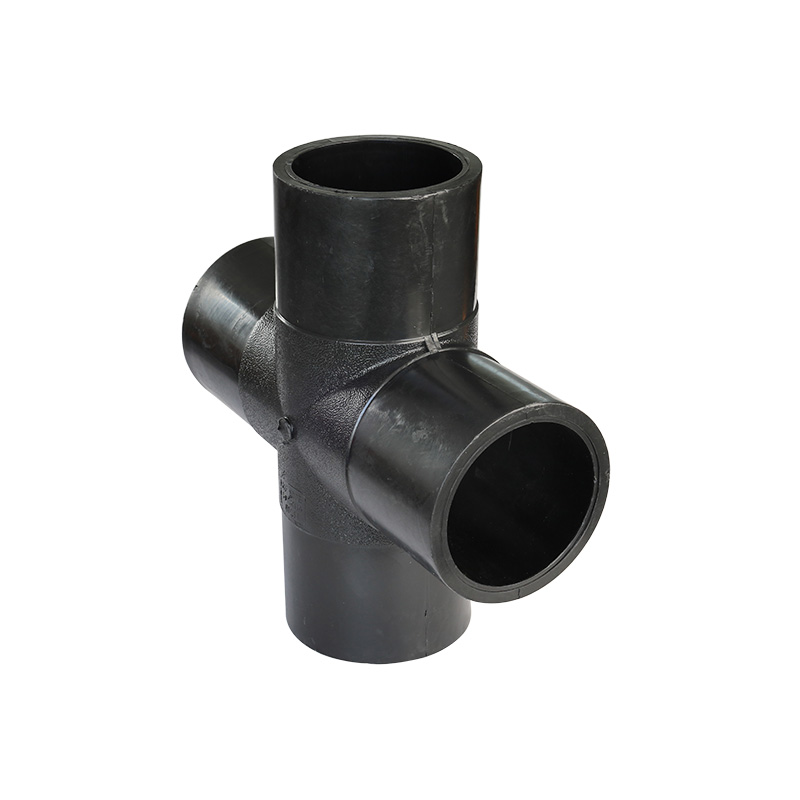
Types of HDPE Pipe Fittings
HDPE pipe fittings are essential for creating secure, leak-proof joints in irrigation systems. The main types include butt fusion, electrofusion, PE threaded, and custom fittings. Butt fusion fittings are the most widely used. They join two pipe sections by heating their ends and pressing them together, forming a continuous, seamless pipeline. This type of joint is especially effective for long irrigation runs, providing strength and water-tight integrity.
Electrofusion fittings offer an alternative when installation areas are tight or irregular. They contain internal heating elements that fuse the fitting to the pipe, resulting in a strong, uniform connection that works even in hard-to-reach areas or at unusual angles. PE threaded fittings are designed for ease of assembly and disassembly, useful for pumps, valves, and maintenance points. For highly specialized irrigation layouts, custom fittings from manufacturers like FusingX ensure precise water distribution and operational efficiency.
Fitting Type | Description | Ideal Applications |
Butt Fusion Fittings | Heat-fused joints create a continuous, leak-proof pipeline | Long runs, main supply and lateral lines |
Electrofusion Fittings | Internal heating elements fuse pipe and fitting in tight or complex areas | Bends, hard-to-access or high terrain |
PE Threaded Fittings | Screw-on fittings allow easy assembly and removal | Pumps, valves, maintenance points |
Custom Fittings | Manufacturer-made to specific requirements, ensures precise irrigation flow | Specialized irrigation systems |
Advantages of Using HDPE Pipe and Fittings for Irrigation
Durability and Long Lifespan
HDPE Pipe and Fittings are known for their remarkable durability. They resist pressure fluctuations, making them ideal for systems where pumps cycle on and off frequently. Their chemical resistance protects against fertilizers, pesticides, and soil elements, preventing corrosion or degradation over time.
UV-resistant material ensures that even above-ground irrigation lines remain intact under prolonged sunlight exposure. With proper installation, HDPE pipelines can last 50 years or more, reducing the need for replacements and minimizing downtime in agricultural operations.
Other durability features include:
● High impact tolerance to resist cracking or punctures
● Resistance to thermal expansion and contraction during seasonal temperature changes
● Long-term performance in both buried and exposed irrigation setups
Leak-Free Performance
One of the main benefits of HDPE Pipe and Fittings is the heat-fused joints, which create seamless connections that drastically reduce leakage. Unlike metal or PVC pipes, which often rely on gaskets or threaded joints prone to leaks, HDPE forms a continuous bond that holds under high pressure and environmental stress. Reduced leakage translates into better water efficiency, conserving precious resources while maintaining even water distribution across fields.
Leakage Reduction Comparison:
Pipe Type | Joint Method | Leakage Risk |
HDPE | Heat-fused | Minimal |
PVC | Rubber gasket | Moderate |
Metal | Threaded | Higher |
The continuous flow created by fused joints also prevents soil erosion around lateral lines, helping maintain landscape integrity and crop health.
Flexibility and Ease of Installation
HDPE Pipe and Fittings can bend around obstacles like rocks or tree roots without extra elbow fittings. This flexibility allows irrigation layouts to follow natural terrain, reducing material needs and installation complexity. Lightweight pipes make transport easier across large farms, enabling a small crew to handle long pipelines without heavy machinery. Flexible connections reduce stress on joints during soil movement, earthquakes, or heavy machinery operation.
Installation benefits include:
● Fewer fittings needed, saving cost and time
● Easier trenchless installation methods like pipe bursting and horizontal directional drilling
● Ability to accommodate sudden pressure surges without pipe rupture
Environmental and Economic Benefits
HDPE Pipe and Fittings are 100% recyclable, supporting sustainable irrigation practices. Unlike metal, they do not leach toxins into soil or water. Over time, HDPE systems require less maintenance, fewer replacements, and minimal energy for pumping, which reduces operational costs. Their long lifespan combined with low upkeep makes HDPE one of the most cost-effective irrigation solutions available today.
Installation, System Design, and Maintenance for HDPE Irrigation Systems
Proper Installation Techniques
Installing HDPE Pipe and Fittings requires attention to detail and the right tools. The butt fusion welding process is the most common method for joining pipes. It involves aligning pipe ends, heating them to a precise temperature, and pressing them together to form a seamless, leak-free joint. This method works well for long pipelines across fields.
In areas with limited space or complex layouts, electrofusion welding can be used. It fuses the fitting to the pipe using embedded heating coils, creating a uniform connection without extensive pipe preparation. Safety is crucial during installation—operators should wear protective gear, follow heating guidelines, and check pipe alignment before fusion to avoid weak joints or misalignment.
Key points for proper installation include:
● Ensure pipe ends are clean and properly faced before fusion
● Use correct temperatures and fusion times based on pipe diameter
● Keep pipes aligned to prevent stress and joint failure
● Maintain consistent pressure during cooling for a strong bond
System Design Tips
A well-planned HDPE irrigation system maximizes water efficiency. Start by optimizing pipe layout to suit drip or sprinkler setups. This includes arranging mainlines and laterals to minimize pressure loss and avoid sharp bends. Pressure control is essential, especially in long runs or hilly terrain, to prevent pipe strain and uneven water distribution. Surge management should be considered to handle pump starts and stops without damaging the pipeline. FusingX provides fittings that adapt to diverse layouts, helping engineers implement precise, reliable irrigation networks.
System design considerations:
● Map out the shortest and most efficient routes for mainlines
● Integrate pressure regulators, valves, and surge protection devices
● Avoid unnecessary fittings to reduce leaks and labor costs
● Plan for future expansions or relocations of irrigation zones
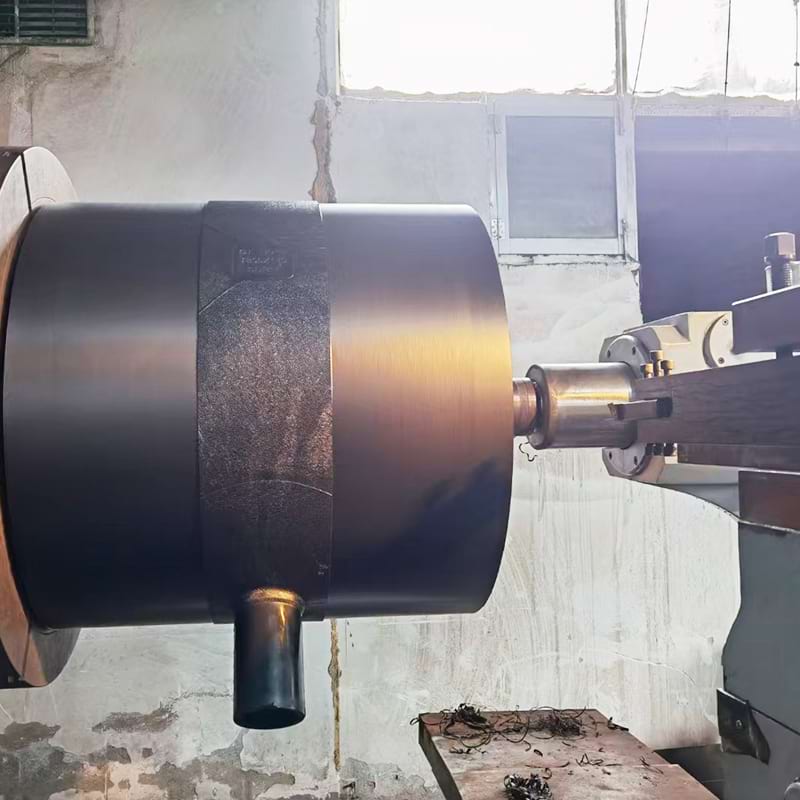
Routine Maintenance Practices
Even though HDPE Pipe and Fittings are low-maintenance, regular checks improve longevity. Inspect joints and fittings for any signs of leaks or stress, especially after heavy use or extreme weather.
Winterization is important in colder regions; draining pipes or using insulation prevents freeze damage. Keeping lines free of sediment, roots, and debris ensures consistent water flow. Maintenance schedules help prevent clogging, maintain uniform irrigation, and extend system life.
Maintenance Task | Frequency |
Joint Inspection | Monthly |
Sediment Flushing | Quarterly |
Winterization | Before Frost Season |
Fitting Replacement | As Needed |
Real-World Applications and Case Studies
Agricultural Irrigation Systems
HDPE Pipe and Fittings are widely used in farm irrigation, offering reliable water delivery to crops of all sizes. Drip irrigation systems benefit from HDPE's flexibility, allowing pipelines to snake across uneven fields and reach each plant efficiently. Farmers can reduce water waste because heat-fused joints prevent leaks.
Sprinkler systems also rely on HDPE pipelines for uniform coverage over lawns, orchards, and vegetable fields. The material withstands chemical fertilizers and soil minerals, ensuring consistent performance season after season. Lightweight pipes simplify installation across large areas, even when terrain is hilly or remote.
Applications highlights:
● Flexible layout for drip lines or lateral pipelines
● Compatible with standard and custom fittings for precise flow control
● Resistant to UV, frost, and chemical exposure
Large-Scale Irrigation Projects
HDPE Pipe and Fittings are also essential in golf course irrigation, municipal water distribution, and industrial irrigation networks. On golf courses, pipelines run under fairways and greens without disturbing landscaping. FusingX fittings help engineers implement complex networks that maintain uniform pressure across long distances. In municipal and industrial systems, HDPE provides durable, leak-resistant pipelines that handle high water volume while reducing maintenance. Their corrosion resistance makes them ideal for challenging environments, including reclaimed water systems or areas with aggressive soil conditions.
Key large-scale advantages:
● Long pipelines with minimal fittings, reducing joint leaks
● Flexible installation under roads, wetlands, and congested areas
● Efficient water delivery over extensive areas with high-pressure pumping
Project Type | HDPE Benefits | Example Applications |
Drip Irrigation Farms | Flexible layout, leak-free joints, chemical resistance | Orchards, row crops, vegetable fields |
Sprinkler Irrigation Systems | Uniform water coverage, UV resistant, frost tolerant | Lawns, parks, orchards |
Golf Courses | Hidden pipelines, high durability, long service life | Fairways, greens, complex landscaping layouts |
Municipal & Industrial | High-volume flow, corrosion resistance, minimal maintenance | Water distribution, reclaimed water systems |
Conclusion
FusingX HDPE Pipe and Fittings provide durable, leak-free, and flexible solutions for irrigation systems. They resist pressure, UV, and chemicals, simplify installation, and ensure efficient water delivery while saving maintenance costs.
FAQ
Q: What is HDPE Pipe used for in irrigation?
A: HDPE Pipe delivers water efficiently in drip, sprinkler, and mainline irrigation systems.
Q: Why choose HDPE Pipe and Fittings over PVC?
A: They offer better flexibility, leak-free joints, chemical resistance, and long-lasting performance.
Q: How are HDPE Pipe joints installed?
A: Using butt fusion or electrofusion welding, creating strong, seamless connections.
Q: Are HDPE Pipe and Fittings suitable for large-scale projects?
A: Yes, they handle long pipelines, high pressure, and complex irrigation layouts reliably.
Q: What maintenance do HDPE Pipes require?
A: Inspect joints for leaks, flush lines to prevent clogs, and winterize in cold regions.

 English
  العربية
  Français
  Русский
  Español
  Português
  Deutsch
  italiano
  日本語
日本語  한국어
한국어  Nederlands
  Tiếng Việt
  ไทย
ไทย  Polski
  Türkçe
  አማርኛ
አማርኛ  ພາສາລາວ
  ភាសាខ្មែរ
  Bahasa Melayu
  ဗမာစာ
ဗမာစာ  தமிழ்
தமிழ்  Filipino
  Bahasa Indonesia
  magyar
  Română
  Čeština
  Монгол
  қазақ
қазақ  Српски
  हिन्दी
  فارسی
فارسی  Kiswahili
  Slovenčina
  Slovenščina
  Norsk
Norsk  Svenska
  українська
  Ελληνικά
  Suomi
Suomi  Հայերեն
  עברית
עברית  Latine
  Dansk
Dansk  اردو
اردو  Shqip
Shqip  বাংলা
বাংলা  Hrvatski
  Afrikaans
  Gaeilge
  Eesti keel
  Māori
Māori 


