Introduction
Why do many cities choose HDPE Pipe today? Strong materials and hdpe fusion fittings improve pipeline safety and durability. HDPE Pipe supports water, gas, and irrigation systems. In this article, we explore five important facts about HDPE Pipe performance and hdpe fusion fittings.
HDPE Pipe Is Rapidly Replacing Traditional Pipeline Materials
Growing Demand for HDPE Pipe in Infrastructure
Across many infrastructure sectors, HDPE pipe has become a preferred pipeline material. Cities upgrade aging water systems. Farms expand irrigation networks. Energy companies also install flexible pipelines for gas distribution. HDPE performs well in these conditions because it resists corrosion and adapts to environmental changes. When combined with hdpe fusion fittings, the pipeline forms a continuous structure that reduces leak points and improves operational safety.
Advantages Over Metal, Concrete, and Clay Pipes
Traditional pipeline materials still exist in older infrastructure systems. Steel pipes once dominated industrial networks. Concrete pipes were widely used in wastewater systems. Clay pipes also served municipal drainage systems for many years. However, modern projects increasingly adopt HDPE because it performs better in demanding environments.
HDPE pipe offers a combination of flexibility, corrosion resistance, and structural durability. It can absorb stress caused by soil movement or pressure fluctuations. In contrast, rigid materials such as clay or concrete may crack when exposed to shifting ground conditions.
Pipeline engineers also consider the role of connection technology. Metal or concrete pipes often require mechanical joints or sealing materials. HDPE pipelines use hdpe fusion fittings instead. Fusion welding creates a seamless connection that improves system reliability and prevents leakage.
The differences between HDPE and traditional pipe materials can be seen clearly in the following comparison.
Pipe Material | Common Limitations | HDPE Pipeline Advantage |
Steel Pipe | Corrosion and rust over time | HDPE resists corrosion and chemical damage |
Concrete Pipe | Heavy weight and difficult installation | HDPE is lightweight and easier to transport |
Clay Pipe | Brittle structure that may crack | HDPE absorbs vibration and soil movement |
Traditional Plastic Pipe | Limited flexibility under heavy loads | HDPE offers stronger flexibility and durability |
HDPE Pipe Offers Outstanding Strength and Long-Term Durability
Mechanical Strength and Impact Resistance
HDPE pipe performs well under physical stress. Engineers value it for strength and flexibility. It handles external pressure from soil, traffic loads, and construction activity. Instead of cracking like rigid materials, it bends slightly and returns to its original shape. This flexibility allows the pipe to absorb shocks and vibrations.
Several structural features contribute to this performance:
● Elastic material structure
HDPE behaves differently from brittle materials such as clay or concrete. It stretches slightly under pressure. When the pressure disappears, it recovers its shape. This behavior protects pipelines during soil settlement or minor earthquakes.
● High resistance to impact
Pipes installed underground face many mechanical forces. Heavy vehicles, shifting soil, and construction equipment create stress. HDPE absorbs those forces without breaking. When installed using hdpe fusion fittings, the entire pipeline acts as one continuous structure.
● Smooth internal surface
The inside of HDPE pipe remains smooth for many years. Sediment buildup rarely occurs. Water and fluid move efficiently through the pipeline. This reduces internal stress and improves flow stability.
Material Property | HDPE Pipe Performance | Typical Traditional Pipe Behavior |
Flexibility | High flexibility absorbs ground movement | Rigid pipes may crack under stress |
Impact Resistance | Resists heavy external loads | Brittle materials fracture more easily |
Internal Surface | Smooth interior supports steady flow | Rough surfaces increase friction |
Joint Integrity | Strong fusion joints using hdpe fusion fittings | Mechanical joints may weaken over time |
Resistance to Environmental Stress
Infrastructure pipelines operate in unpredictable environments. Temperature changes, soil moisture, and pressure fluctuations affect pipeline performance. HDPE pipe adapts well to these conditions because the polymer structure remains stable across a wide temperature range.
Important environmental advantages include:
● Temperature tolerance
● Resistance to soil movement
● Stable performance during pressure changes
Manufacturers such as FusingX design polyethylene pipe fittings specifically for these conditions. Their fusion fittings help maintain the same flexibility and corrosion resistance across the entire pipeline system.
Long Service Life of HDPE Pipeline Systems
Durability is one of the most important reasons why engineers choose HDPE pipe. Properly designed systems often remain operational for several decades. Many infrastructure studies estimate a service life exceeding fifty years under normal conditions.
Several factors influence this long operational lifespan:
● Corrosion-free material
HDPE does not rust or degrade like metal pipes. It resists chemical reactions found in soil and water systems. This stability extends the life of underground pipelines.
● Reliable fusion joint technology
Mechanical connectors may loosen over time. Fusion joints created by hdpe fusion fittings form a permanent bond between pipe sections. Once cooled, the joint becomes as strong as the pipe wall.
● Lower maintenance requirements
Because the pipeline system contains fewer weak points, inspections and repairs occur less frequently. This reduces long-term operating costs for municipalities and industrial facilities.
HDPE Fusion Fittings Create Strong and Leak-Free Connections
What HDPE Fusion Fittings Are
HDPE pipeline systems rely heavily on specialized connection components. Among them, hdpe fusion fittings play a critical role in building safe and continuous pipelines. These fittings are manufactured from high-density polyethylene and are designed to join HDPE pipes using heat fusion methods rather than mechanical fasteners. Once the connection cools, the pipe and fitting behave like a single structure.
Several characteristics make hdpe fusion fittings essential in modern pipeline construction:
● Seamless pipe connections
Fusion joining melts the pipe surface and the fitting surface together. After cooling, the materials merge into a single solid structure. This process removes gaps or sealing points where leaks could occur.
● Material consistency
The fittings are made from the same HDPE resin used in the pipe body. Because of this consistency, the joint maintains uniform strength and chemical resistance throughout the system.
● Compatibility with large infrastructure projects
Municipal water networks, gas pipelines, and irrigation systems often require long pipeline routes. Fusion fittings help engineers build these long systems while keeping connection reliability high.
Common Types of HDPE Fusion Fittings
Engineers select fittings based on pipeline direction, flow distribution, and installation method. Several fittings are commonly used in HDPE pipe systems:
● Butt fusion fittings
These fittings connect large-diameter HDPE pipes using heat fusion equipment. The pipe ends are heated, aligned, and pressed together. Butt fusion fittings are widely used in municipal water pipelines and long-distance transmission lines.
● Electrofusion fittings
Electrofusion fittings contain embedded heating elements. When electric current passes through the element, it melts the inner surface of the fitting and the pipe. This method is often used for repairs or installations where space is limited.
● Directional and transition fittings
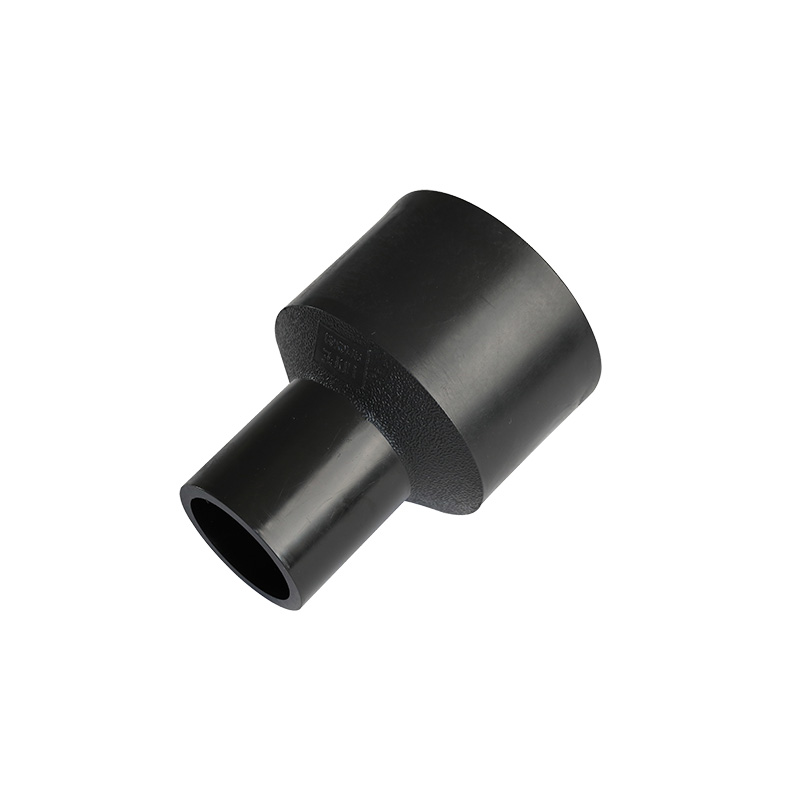
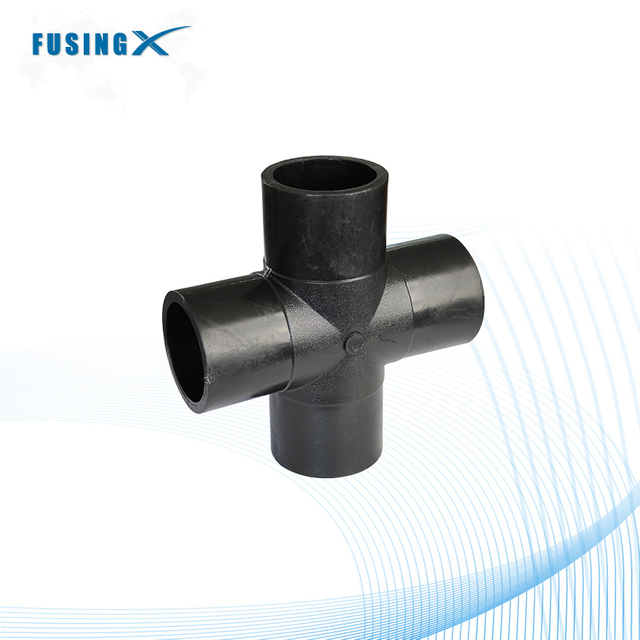
Pipeline systems require components such as elbows, tees, reducers, and end caps. These fittings allow engineers to redirect flow, branch pipelines, or terminate sections of the system.
HDPE Fusion Fitting Type | Typical Function in Pipeline Systems | Common Application |
Butt Fusion Fittings | Connect pipes of the same diameter through heat welding | Municipal water pipelines |
Electrofusion Fittings | Join pipes using embedded electrical heating elements | Gas distribution systems |
Elbow Fittings | Change pipeline direction at various angles | Industrial and irrigation networks |
Tee Fittings | Split pipeline flow into two directions | Agricultural irrigation systems |
Reducer Fittings | Connect pipes of different diameters | Pressure-controlled pipeline systems |
How the Fusion Welding Process Works
The fusion welding process is a key technology behind HDPE pipeline reliability. Unlike threaded joints or glued connections, fusion welding permanently bonds the pipe and fitting together.
The basic fusion process follows several controlled steps:
1. Surface preparation
Pipe ends are cleaned and aligned carefully. Proper alignment ensures uniform pressure during welding.
2. Heating stage
A heated plate melts the contact surfaces of the pipe and the fitting. The polyethylene becomes soft and ready for bonding.
3. Joining stage
The heated surfaces are pressed together under controlled pressure. Molten polyethylene from both sides mixes together.
4. Cooling stage
The joint cools naturally and solidifies. After cooling, the connection becomes extremely strong.
Several advantages result from this process:
● The fused joint becomes nearly as strong as the original pipe wall.
● The pipeline behaves like a single continuous structure.
● Internal pressure distributes evenly across the joint.
Because hdpe fusion fittings rely on this welding technique, the pipeline avoids weak mechanical connections that often fail in older pipe systems.
Why Fusion Connections Improve Pipeline Reliability
Pipeline reliability depends on several factors. Material strength is important, but connection integrity is equally critical. Many traditional pipe systems use threaded connectors, bolts, or rubber seals. Over time, these components may loosen or degrade, creating potential leak points.
Fusion welding solves these problems by eliminating mechanical sealing points. The pipe and the fitting become a single piece of polyethylene. This continuous structure improves pressure resistance and prevents fluid leakage.
Several operational advantages explain why engineers prefer hdpe fusion fittings:
● Reduced leakage risk
Fusion joints do not rely on gaskets or adhesives. Once welded, the connection remains sealed under pressure.
● Improved structural strength
The pipeline behaves as one continuous pipe rather than multiple connected segments.
● Lower long-term maintenance
Fewer mechanical components mean fewer failure points in the system.
HDPE Pipes Provide Excellent Chemical and Corrosion Resistance
Resistance to Corrosive Environments
Pipelines installed underground often face harsh conditions. Soil moisture, salt content, and chemical exposure slowly damage traditional materials. Metal pipes corrode over time. Concrete may degrade under chemical attack. HDPE pipes behave differently. Their polyethylene structure prevents rust and protects the pipe surface from chemical reactions.
Several environmental advantages explain why engineers choose HDPE pipes:
● Protection against soil corrosion
Underground pipelines face moisture and mineral reactions. HDPE material remains chemically inert in these environments. The pipe wall does not rust or scale over time.
● Durability in saline environments
Coastal infrastructure systems often expose pipelines to saltwater conditions. HDPE pipes resist salt corrosion. This improves reliability in marine engineering or seawater intake systems.
● Stable performance in wastewater networks
Wastewater pipelines transport fluids containing biological and chemical substances. HDPE pipes resist degradation from these compounds. The pipeline maintains stable performance even after years of operation.
Chemical Stability of HDPE Materials
Chemical stability is one of the most important properties of polyethylene materials. Many industrial pipelines carry liquids that react with metal surfaces. HDPE pipes do not easily react with these substances. Their polymer structure remains stable under a wide range of chemical conditions.
Because of this stability, HDPE pipelines are widely used in industries that handle corrosive fluids. Engineers prefer materials that do not release contaminants into the transported fluid. HDPE maintains purity inside water supply systems and prevents contamination.
Maintaining System Integrity with HDPE Fusion Fittings
Pipeline strength does not depend only on pipe material. Connection technology also plays an important role. Weak joints can create leakage or corrosion points. Modern HDPE systems solve this issue using hdpe fusion fittings, which connect pipes through heat fusion.
Fusion fittings use the same polyethylene material as the pipe. Because the materials match, the entire pipeline maintains consistent corrosion resistance. When the pipe and fitting are fused together, the joint becomes part of the pipe wall itself. The connection does not introduce metal components or sealing materials that could degrade over time.
Several technical advantages come from using hdpe fusion fittings in chemically demanding environments:
● Uniform material structure across the pipeline
The pipe and fitting share the same polyethylene composition. Chemical resistance remains consistent along the entire pipeline route.
● No mechanical connectors that may corrode
Traditional pipeline systems use bolts, clamps, or threaded joints. These parts may degrade under chemical exposure. Fusion joints eliminate these components.
● Stable pipeline performance over long periods
Fusion technology creates strong joints that resist leakage. Infrastructure operators benefit from fewer repairs and lower maintenance requirements.
HDPE Pipe Systems Are Sustainable and Cost-Effective
Environmental Advantages of HDPE Pipelines
Modern infrastructure projects increasingly consider environmental impact during material selection. HDPE pipe systems support sustainable development because the material requires less energy during manufacturing and transportation. Compared with heavy materials such as steel or concrete, HDPE pipes weigh significantly less. This reduces fuel consumption during transport and lowers the overall carbon footprint of pipeline projects.
Several sustainability benefits make HDPE pipelines attractive for infrastructure planners:
● Reduced energy consumption during production
HDPE manufacturing processes require less energy than many traditional pipe materials. Lower energy demand supports environmentally responsible construction practices.
● Recyclable pipeline material
HDPE can be recycled and reused in other polyethylene products. This reduces waste generation and supports circular material use in the plastics industry.
● Leak prevention through fusion technology
Pipelines connected by hdpe fusion fittings form a continuous polyethylene structure. Fewer joints reduce leakage risk and protect surrounding ecosystems.
Environmental advantages become clearer when comparing HDPE with commonly used pipeline materials.
Sustainability Factor | HDPE Pipe Systems | Traditional Pipe Materials |
Manufacturing Energy Use | Lower energy consumption | Higher energy demand for metal or concrete |
Transportation Impact | Lightweight, easier to transport | Heavy materials increase fuel consumption |
Recyclability | HDPE material can be recycled | Limited recycling options for concrete or clay |
Leak Risk | Fusion joints reduce leakage | Mechanical joints increase failure risk |
Lower Installation Costs
Cost efficiency is another reason why HDPE pipes have gained popularity in infrastructure development. The lightweight design simplifies transportation and handling on construction sites. Workers can move pipe sections more easily, which reduces the need for heavy equipment and large installation crews.
Installation efficiency also improves when pipelines use hdpe fusion fittings. Fusion welding connects pipe sections through heat rather than threaded or mechanical connectors. The welded joint becomes part of the pipe wall itself. Because the connection does not rely on gaskets or bolts, the system requires fewer components during installation.
Conclusion
HDPE Pipe offers durability, corrosion resistance, and flexible installation. Using hdpe fusion fittings improves pipeline strength and reduces leakage risks. FusingX provides reliable HDPE pipe fittings that support efficient infrastructure projects and long-term pipeline performance.
FAQ
Q: What is HDPE Pipe used for?
A: HDPE Pipe is used in water systems, irrigation, and gas pipelines. hdpe fusion fittings help connect pipes securely.
Q: Why are hdpe fusion fittings important in HDPE Pipe systems?
A: They create welded joints. hdpe fusion fittings reduce leaks and improve pipeline strength.
Q: How long does an HDPE Pipe system last?
A: HDPE Pipe can last over 50 years. Proper hdpe fusion fittings help maintain joint durability.
Q: Are HDPE Pipe systems better than metal pipes?
A: Yes. HDPE Pipe resists corrosion and chemicals. hdpe fusion fittings also create safer pipeline connections.
Q: How are HDPE Pipe sections connected?
A: Heat welding joins the pipes. hdpe fusion fittings form a strong and seamless pipeline joint.

 English
  العربية
  Français
  Русский
  Español
  Português
  Deutsch
  italiano
  日本語
日本語  한국어
한국어  Nederlands
  Tiếng Việt
  ไทย
ไทย  Polski
  Türkçe
  አማርኛ
አማርኛ  ພາສາລາວ
  ភាសាខ្មែរ
  Bahasa Melayu
  ဗမာစာ
ဗမာစာ  தமிழ்
தமிழ்  Filipino
  Bahasa Indonesia
  magyar
  Română
  Čeština
  Монгол
  қазақ
қазақ  Српски
  हिन्दी
  فارسی
فارسی  Kiswahili
  Slovenčina
  Slovenščina
  Norsk
Norsk  Svenska
  українська
  Ελληνικά
  Suomi
Suomi  Հայերեն
  עברית
עברית  Latine
  Dansk
Dansk  اردو
اردو  Shqip
Shqip  বাংলা
বাংলা  Hrvatski
  Afrikaans
  Gaeilge
  Eesti keel
  Māori
Māori 


